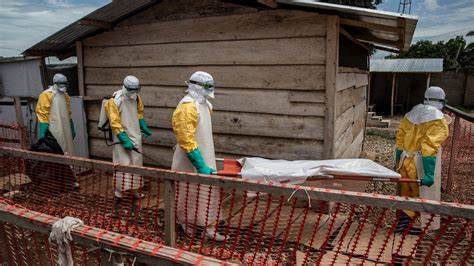
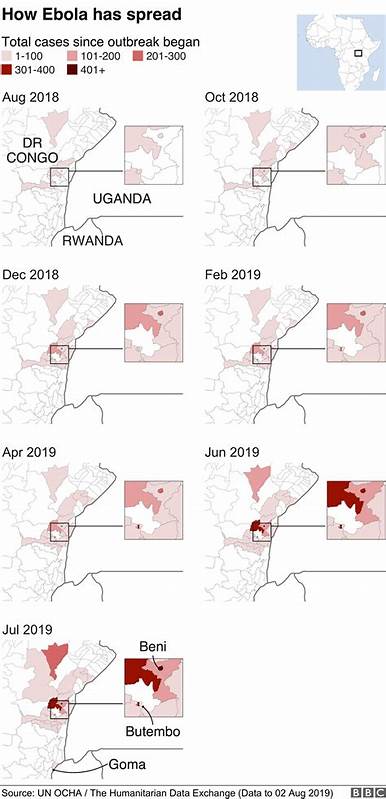
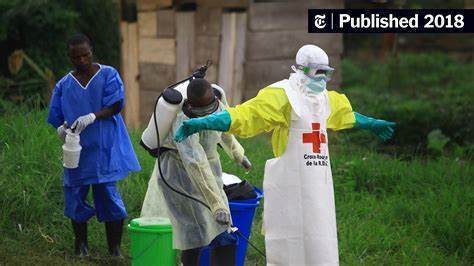
The Democratic Republic of Congo (DRC) is once again grappling with a severe Ebola outbreak, with health facilities in the epicenter of the crisis struggling to manage the overwhelming influx of patients. The situation has reached a critical juncture, as medical teams work tirelessly to contain the virus while facing significant resource constraints and logistical challenges. This article delves into the current state of the Ebola crisis in DR Congo, the reasons behind the surge in cases, and the international response to mitigate the spread of the deadly disease.The Ebola virus, first identified in 1976 in the DRC, has resurfaced multiple times, causing devastating outbreaks across Central Africa. The latest outbreak, declared in August 2023, has already claimed numerous lives and infected hundreds, with the epicenter in the northeastern province of North Kivu. The region, which has been plagued by armed conflict and instability, poses unique challenges for healthcare workers and humanitarian organizations.Clinics in the affected areas are reporting an unprecedented number of patients, far exceeding their capacity to provide adequate care. The overwhelmed facilities are struggling with shortages of medical supplies, protective gear, and trained personnel. The situation is further complicated by the reluctance of some communities to seek medical help due to fear, misinformation, and distrust of healthcare workers. This reluctance has led to delayed diagnoses and increased transmission rates, exacerbating the crisis.The Ebola virus is highly contagious and deadly, with a fatality rate of up to 90% in some outbreaks. Symptoms include severe fever, muscle pain, bleeding, and organ failure. The virus spreads through direct contact with bodily fluids, making healthcare workers particularly vulnerable. In the current outbreak, several healthcare workers have contracted the virus, highlighting the urgent need for protective measures and support for frontline responders.The Congolese government, in collaboration with the World Health Organization (WHO) and other international partners, has launched a comprehensive response to combat the outbreak. Efforts include the deployment of rapid response teams, the establishment of treatment centers, and the distribution of experimental vaccines. However, the ongoing conflict in the region has hampered these efforts, as armed groups continue to disrupt the delivery of medical supplies and the movement of healthcare workers.The international community has pledged support to DR Congo in its fight against Ebola. Organizations such as Médecins Sans Frontières (MSF) and the Centers for Disease Control and Prevention (CDC) have sent teams to the affected areas to provide technical assistance and resources. The WHO has also activated its emergency response mechanisms, coordinating global efforts to contain the outbreak and prevent its spread to neighboring countries.Despite these efforts, the situation remains dire, with new cases continuing to emerge. The lack of infrastructure, limited access to healthcare, and persistent violence in the region have created a perfect storm for the virus to thrive. The Congolese government and its international partners must address these underlying issues to effectively control the outbreak and prevent future resurgences.The Ebola crisis in DR Congo serves as a stark reminder of the ongoing challenges in global health security. It underscores the need for sustained investment in healthcare systems, particularly in conflict-affected regions. The international community must also prioritize the development of vaccines and treatments to combat emerging infectious diseases, ensuring that future outbreaks can be contained swiftly and effectively.In conclusion, the Ebola outbreak in DR Congo's epicenter has placed immense pressure on local clinics, which are struggling to cope with the surge in patients. The crisis is compounded by armed conflict, misinformation, and resource shortages, making it a complex and multifaceted challenge. While international efforts are underway to support the response, a comprehensive and long-term strategy is essential to address the root causes of the outbreak and protect vulnerable communities. The world must stand in solidarity with DR Congo as it battles this deadly virus, ensuring that no one is left behind in the fight for health and safety. 。
DR Congo Ebola Crisis: Overwhelmed Clinics and the Fight Against the Deadly Outbreak