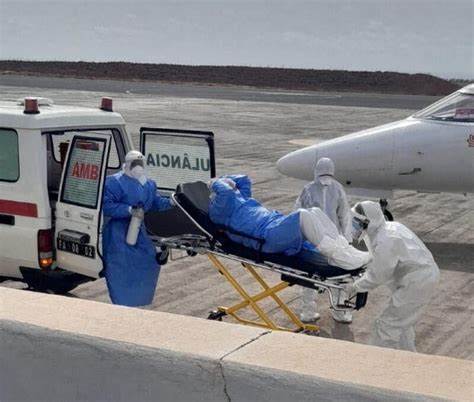
The Democratic Republic of Congo (DRC) has once again found itself at the center of a deadly Ebola outbreak, this time involving the Bundibugyo strain - a less-discussed but equally dangerous variant of the virus. With over 80 lives lost, the outbreak has raised concerns about the virus's ability to spread beyond the DRC's borders. Understanding the Bundibugyo strain, its symptoms, transmission methods, and preventive measures is crucial for both local and global health security.The Ebola virus is notorious for its high fatality rate and rapid spread in outbreaks. The Bundibugyo strain, first identified in 2007 in Uganda, is one of six known strains of the virus. While it is less common than the Zaire strain, which caused the 2014-2016 West African epidemic, the Bundibugyo strain has proven to be just as lethal. The current outbreak in Congo highlights the ongoing threat posed by this virus and the challenges in containing it.Symptoms of the Bundibugyo strain are similar to those of other Ebola variants, including high fever, severe headache, muscle pain, weakness, fatigue, diarrhea, vomiting, abdominal pain, and hemorrhagic symptoms such as bleeding from the eyes, ears, and gums. The incubation period ranges from 2 to 21 days, making early detection difficult. Without prompt medical intervention, the fatality rate can exceed 50%, making it a significant public health concern.Transmission of the Bundibugyo strain occurs through direct contact with bodily fluids of infected individuals, such as blood, sweat, saliva, and vomit. The virus can also spread through contact with contaminated objects, such as needles or clothing. Unlike respiratory viruses, Ebola does not spread through the air, but the close-contact nature of transmission makes it particularly dangerous in healthcare settings and during burial rituals, where family members may come into contact with the deceased.The current outbreak in Congo has been linked to several factors, including limited healthcare infrastructure, poor sanitation, and cultural practices that involve close contact with the deceased. The DRC has experience in managing Ebola outbreaks, having faced multiple epidemics in recent years. However, the remote and often inaccessible nature of the affected regions poses significant challenges for healthcare workers and response teams.The risk of the Bundibugyo strain spreading beyond Congo depends on several factors, including the effectiveness of containment measures, international travel, and the virus's ability to mutate. While the World Health Organization (WHO) and other global health agencies have implemented strict surveillance and containment protocols, the porous borders and high population mobility in Central Africa increase the risk of cross-border transmission.Preventive measures are critical in controlling the spread of the Bundibugyo strain. These include early detection and isolation of cases, proper infection control in healthcare settings, safe burial practices, and public education on hygiene and safe practices. Vaccines, such as the rVSV-ZEBOV vaccine, have shown promise in preventing Ebola infections and are being deployed in affected regions. However, challenges such as vaccine distribution and public trust remain significant hurdles.The global community must remain vigilant in monitoring and responding to Ebola outbreaks, particularly those involving less common strains like Bundibugyo. Lessons from past outbreaks, such as the 2014-2016 West African epidemic, underscore the importance of rapid response, international cooperation, and sustained funding for outbreak preparedness. The Bundibugyo strain serves as a reminder that Ebola remains a persistent threat, and proactive measures are essential to prevent future tragedies.In conclusion, the Bundibugyo Ebola strain is a deadly and highly contagious virus that requires immediate attention and action. While the current outbreak in Congo is a cause for concern, effective containment strategies and global cooperation can mitigate the risk of widespread transmission. By staying informed and supporting public health efforts, individuals and communities can play a crucial role in combating this deadly disease. 。
Bundibugyo Ebola Strain: Understanding the Deadly Outbreak in Congo and Its Global Risks